A People of Strength, Dignity & Beauty
Meet the Tigrayan People: Beyond the Headlines
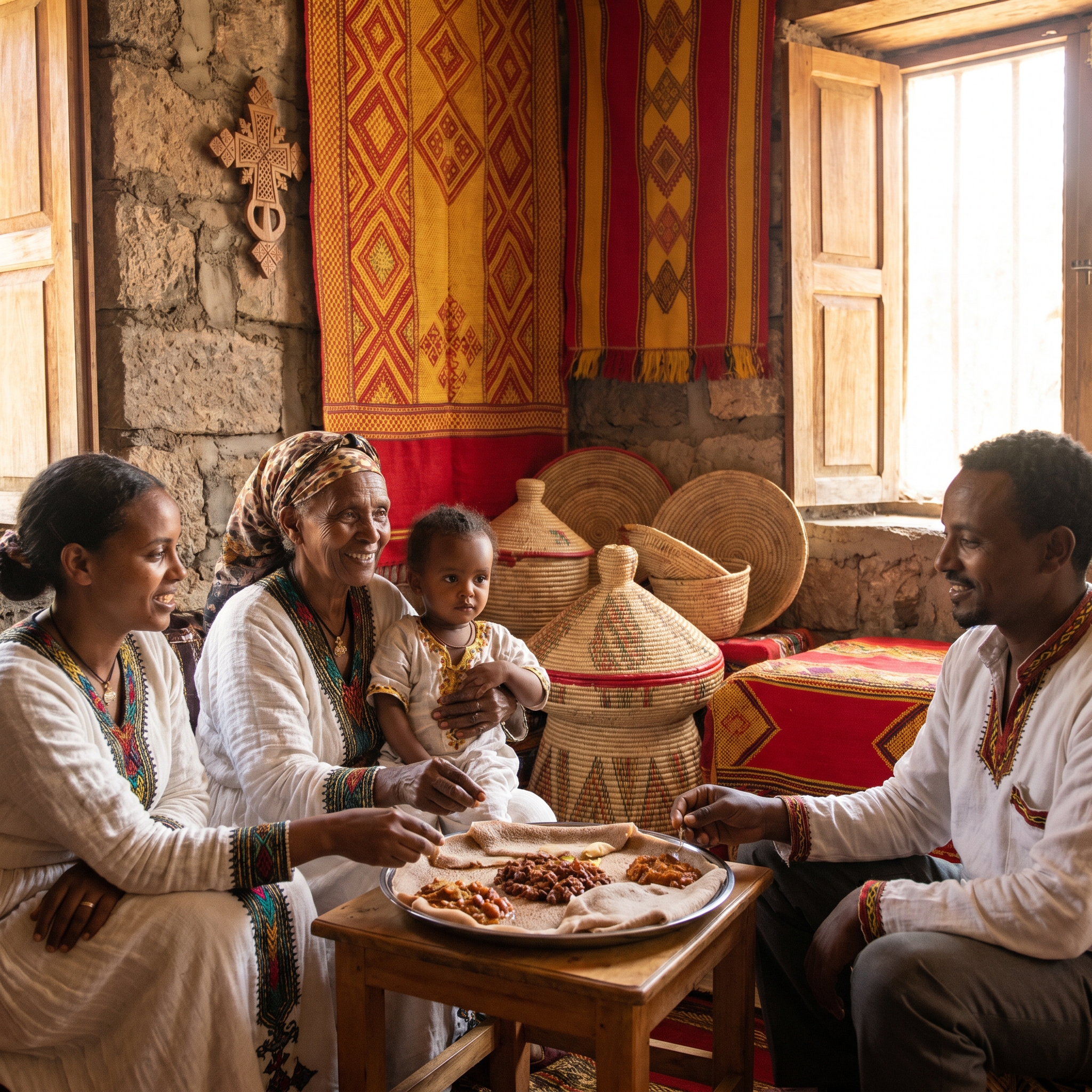
If you've heard about Tigray in recent years, you've likely heard about conflict, suffering, and loss. These things are real, and they matter. But they don't tell the whole story. They don't tell you who the Tigrayan people actually are.The Tigrayan people are so much more than their suffering. They are bearers of an ancient heritage, practitioners of a deep faith, creators of beautiful culture, and people of remarkable character and resilience. To truly understand Tigray, you need to know the people—not as victims, but as they truly are.A People With Deep RootsTigrayans are descendants of one of the world's great civilizations. The ancient kingdom of Axum—one of the four great powers of the ancient world—was centered in what is now Tigray. This isn't a distant, irrelevant past. This heritage shapes Tigrayan identity today.To be Tigrayan is to carry within you the legacy of a kingdom that once rivaled Rome, Persia, and China. It's to be part of a people who embraced Christianity 1,700 years ago. It's to belong to a culture that has weathered empires, invasions, famines, and hardships—and has endured.This deep historical consciousness shapes how Tigrayans understand themselves. They are not a new people. They are not a temporary population. They are inheritors of centuries of civilization, faith, culture, and wisdom.Hospitality: The Heart of Tigrayan CultureAsk anyone who has experienced Tigrayan hospitality, and they'll tell you the same thing: it's extraordinary.In Tigrayan culture, hospitality isn't just politeness. It's a core value rooted in ancient tradition and Christian faith. When a guest arrives at a Tigrayan home, they are welcomed as if they are family. Their comfort becomes the family's priority. A meal will be prepared. They'll be offered the best that the household has to offer. They'll be treated with genuine warmth and respect.This hospitality extends beyond the home. In communities, in churches, in public spaces, Tigrayans are known for welcoming others, for making space for the stranger, for treating people with genuine kindness.Where does this come from? Part of it is cultural tradition—practices passed down through generations. But for Tigrayan Christians, it's also rooted in Scripture. Jesus taught us to welcome the stranger, to show hospitality to those in need, to treat others as we would want to be treated. Tigrayan hospitality is an expression of living out this gospel value.Even in the midst of devastating hardship—when families have lost everything and are struggling to survive—Tigrayans continue to show hospitality. Stories abound of Tigrayan families with almost nothing sharing what they have with neighbors, with displaced people, with anyone in need. This isn't naivety or foolishness. It's a profound expression of faith and values that runs deeper than material circumstance.Unwavering FaithTo understand the Tigrayan people, you must understand that faith is not peripheral to their lives—it's central. For Tigrayans, especially those in the Ethiopian Orthodox tradition, Christianity isn't something you do on Sunday mornings. It's woven into every aspect of life.Daily practices: Tigrayan Christians maintain spiritual disciplines rooted in ancient monastic tradition. Many practice regular fasting—not just during Lent, but throughout the year. Prayer is a daily practice. Scripture reading and meditation are part of ordinary life. These aren't burdensome requirements but expressions of devotion and love for God.Family faith: Faith is passed down through families. Parents teach children about Jesus, about the saints, about the traditions of the church. Stories of faith heroes are told. Prayers are prayed together. Children grow up understanding themselves as part of a faith community and a faith heritage.Community worship: Church is a community gathering, not just an individual spiritual experience. Worship is communal, liturgical, and deeply participatory. The entire community gathers to pray, to sing, to encounter God together. This creates a strong sense of belonging and shared faith identity.Faith through hardship: What's most striking about Tigrayan faith is how it endures through difficulty. The 2020 conflict brought unimaginable loss—death, displacement, trauma, grief. Yet in the midst of this, Tigrayans continued to pray. Clergy continued to minister. Communities continued to gather and worship. Faith didn't disappear under pressure—it deepened. People clung to God not because life was easy, but because life was hard and they knew they couldn't survive without faith.This is unwavering faith. It's not faith that depends on comfortable circumstances. It's not faith that disappears when things get difficult. It's faith that holds firm when everything else is shaken. It's the kind of faith that the apostle Paul describes: faith that "rejoices in hope, endures in suffering, persists in prayer."Artistic Heritage & Cultural BeautyTigrayan culture is deeply creative and beautiful. This expression comes through in multiple forms:Traditional Crafts: Tigrayan artisans are known for their intricate and beautiful handwork. Woven baskets with geometric patterns that require skill and patience to create. Embroidered textiles with traditional designs that tell stories and carry cultural meaning. Pottery created using ancient techniques. Each piece represents not just artistic skill but cultural knowledge passed down through generations.These aren't mass-produced items or tourist trinkets. They're expressions of cultural identity and artistic vision. When a Tigrayan weaver creates a basket or an embroiderer stitches a pattern, they're continuing a tradition that goes back centuries. They're keeping alive cultural knowledge and artistic practices.Music and Singing: Tigrayan music is powerful, rhythmic, and emotionally evocative. Traditional instruments like the krar (a stringed instrument), the masinko (a single-stringed fiddle), and various drums create music that ranges from joyful celebration to deeply spiritual devotion.Church music in the Tigrayan Orthodox tradition is particularly moving. Ancient hymns sung in Ge'ez (the classical language of Tigray) create an atmosphere of spiritual depth and connection to the ancient faith. The music isn't entertainment—it's a vehicle for prayer, for encountering the sacred, for expressing faith and emotion in ways that words alone cannot capture.Visual Art and Architecture: Tigrayan churches and monasteries are architectural and artistic masterpieces. The design of these structures—with their distinctive styles and proportions—reflects centuries of building tradition. The icons and religious artwork inside these churches represent a long tradition of religious art where images serve as windows to the sacred.Even in contemporary times, Tigrayan artists continue to create—painting, sculpting, and creating art that expresses their identity, their faith, and their experience of the world.The Oral Tradition: Tigrayans have a rich oral tradition of storytelling, poetry, and proverbs. Stories are told to entertain, to teach, to preserve history, to pass down wisdom. Proverbs contain the accumulated wisdom of generations. Poetry is used to express emotion, to celebrate, to mourn, to inspire.This oral tradition means that knowledge, history, and wisdom are preserved through living transmission—one person telling another, stories coming alive in the telling. In a culture with a long written tradition as well, this oral heritage creates a rich texture of cultural expression.Remarkable ResilienceThe word "resilience" gets used a lot, but when you study Tigrayan history, you understand what it really means.Tigrayans have faced:Droughts and famines that have tested survivalInvasions and conflicts throughout historyIsolation from the rest of the worldEconomic hardship and povertyHealth crises and diseaseThe 2020 conflict that brought devastationYet through all of this, Tigrayans have endured. Not just survived, but maintained their culture, their faith, their dignity, and their humanity.This resilience isn't passive acceptance or fatalism. It's active, creative, determined perseverance. It's the ability to lose everything and still maintain your sense of self. It's the capacity to grieve deeply and still find reasons to hope. It's the determination to rebuild, to continue, to pass your heritage to the next generation.Tigrayan resilience comes from multiple sources:Faith: Trust in God that sustains even when circumstances are direCommunity: Family and community bonds that provide support and meaningCultural identity: Connection to a heritage that stretches back centuries provides continuity and dignityLove: Deep love for family, for people, for life itselfIt's not that Tigrayans don't suffer or don't grieve. They do, profoundly. But suffering doesn't destroy them. It doesn't define them. And it doesn't determine their future.The Values That Define Tigrayan CharacterIf you want to understand Tigrayan people, understand these core values:Generosity: Despite limited resources, Tigrayans are known for their generosity. They share what they have. They give to those in need. They believe that what you have is meant to be shared, and that generosity creates community and reflects God's love.Courage: The history of Tigray is filled with stories of courageous people—people who stood up for what was right, who protected their communities, who refused to be defeated. This courage comes from conviction—conviction rooted in faith and in commitment to what matters most.Dignity: Tigrayans maintain dignity even in the most difficult circumstances. They don't see themselves as victims or as less-than. They understand themselves as people with worth, with heritage, with contribution to make. They want to be seen and treated with respect—not pity.Commitment to Family: Family is central to Tigrayan life. Extended family networks provide support, identity, and belonging. Commitment to family means caring for elders, raising children to know their heritage, maintaining relationships even across distance and difficulty.Wisdom: Tigrayan culture values wisdom—the kind of wisdom that comes from experience, from faith, from observing life over time. Elders are respected for their wisdom. Proverbs encapsulate wisdom. The traditions passed down from generation to generation represent accumulated wisdom about how to live well.Love: Beneath everything else is love—love for God, love for family, love for community, love for life itself. This love motivates generosity, courage, commitment. It's the foundation of resilience. It's what keeps humanity alive even in the darkest circumstances.Tigrayans TodayThe Tigrayan people are not a historical artifact. They're alive today, carrying their heritage forward, raising children, working, worshipping, creating, and dreaming about the future.Some Tigrayans live in Tigray, rebuilding after conflict. Some live in diaspora—scattered around the world due to displacement, migration, or seeking opportunity. But whether in Tigray or abroad, they carry their identity, their faith, their culture, and their values with them.Tigrayan diaspora communities around the world maintain their language, their traditions, and their connection to their homeland. They raise their children to know about their heritage. They gather for celebrations and worship. They work to support family members back home. They advocate for Tigray's wellbeing and recognition.And in Tigray itself, despite the devastation of 2020, the people continue. They're rebuilding homes and communities. They're returning children to schools. They're replanting farms. They're gathering for worship. They're telling their stories. They're determined to have a future.What the World Needs to KnowIf you encounter Tigrayan people—whether in your community or through stories and media—remember this:They are not victims alone. Yes, they've suffered tremendously. But suffering is not their identity. They are people with heritage, with culture, with faith, with dreams, with agency. They are not waiting to be rescued. They're working toward their own restoration.They deserve dignity and respect. Not pity. Not charity motivated by guilt. Not being portrayed as helpless. They deserve to be recognized as people with worth, with gifts, with contribution. They deserve partnerships based on mutual respect.Their story matters. Not just their suffering, but their entire story—their history, their achievements, their culture, their faith, their character. The world is poorer for not knowing the Tigrayan people and their heritage.They are your brothers and sisters. If you're a Christian, Tigrayans are part of your faith family. If you're human, they're part of your human family. Their wellbeing matters. Their future matters.The Real TigrayThe headlines will tell you about conflict. The statistics will tell you about suffering. But to know the real Tigray, you need to know its people—their hospitality, their faith, their creativity, their resilience, their character, their love.You need to know that Tigray is a place where people have maintained faith for 1,700 years. Where ancient monasteries still stand. Where beautiful crafts are still created. Where communities still gather in worship. Where families still show up for each other. Where children still play and learn and dream.You need to know that Tigrayan people are not defined by their worst moment. They're defined by their enduring faith, their persistent creativity, their courageous determination to continue, and their fundamental human dignity.That's the real Tigray. That's the Tigrayan people.
